Guinea’s Wealth Creation Manifesto: Financing the Infrastructure of Economic Transformation
Guinea stands at a pivotal moment in its development journey. Rich in natural resources, strategically positioned within West Africa, and supported by a growing population, the country possesses many of the ingredients required for sustained economic growth.Guinea stands at a pivotal moment in its development journey. Rich in natural resources, strategically positioned within West Africa, and supported by a growing population, the country possesses many of the ingredients required for sustained economic growth.
Guinea stands at a pivotal moment in its development journey. Rich in natural resources, strategically positioned within West Africa, and supported by a growing population, the country possesses many of the ingredients required for sustained economic growth. Yet, the challenge facing Guinea is not simply one of resource abundance. It is about converting national wealth into long-term prosperity through strategic investment, institutional capacity, and modern infrastructure.
At the centre of this transformation is a growing recognition that infrastructure is not merely a construction exercise. It is an economic enabler. It creates the conditions for investment, strengthens governance, improves public service delivery, and supports the efficient functioning of government and industry alike.
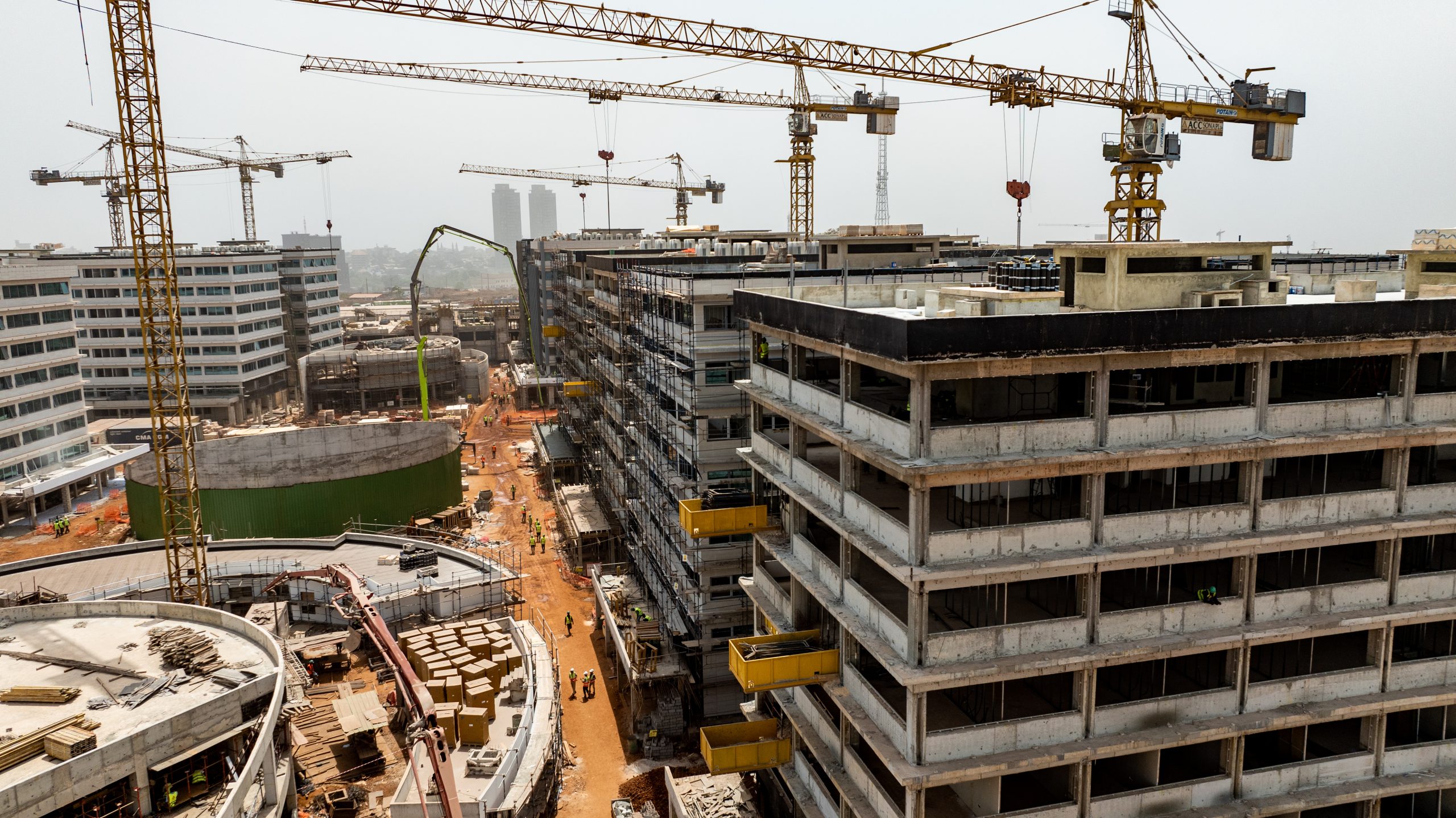
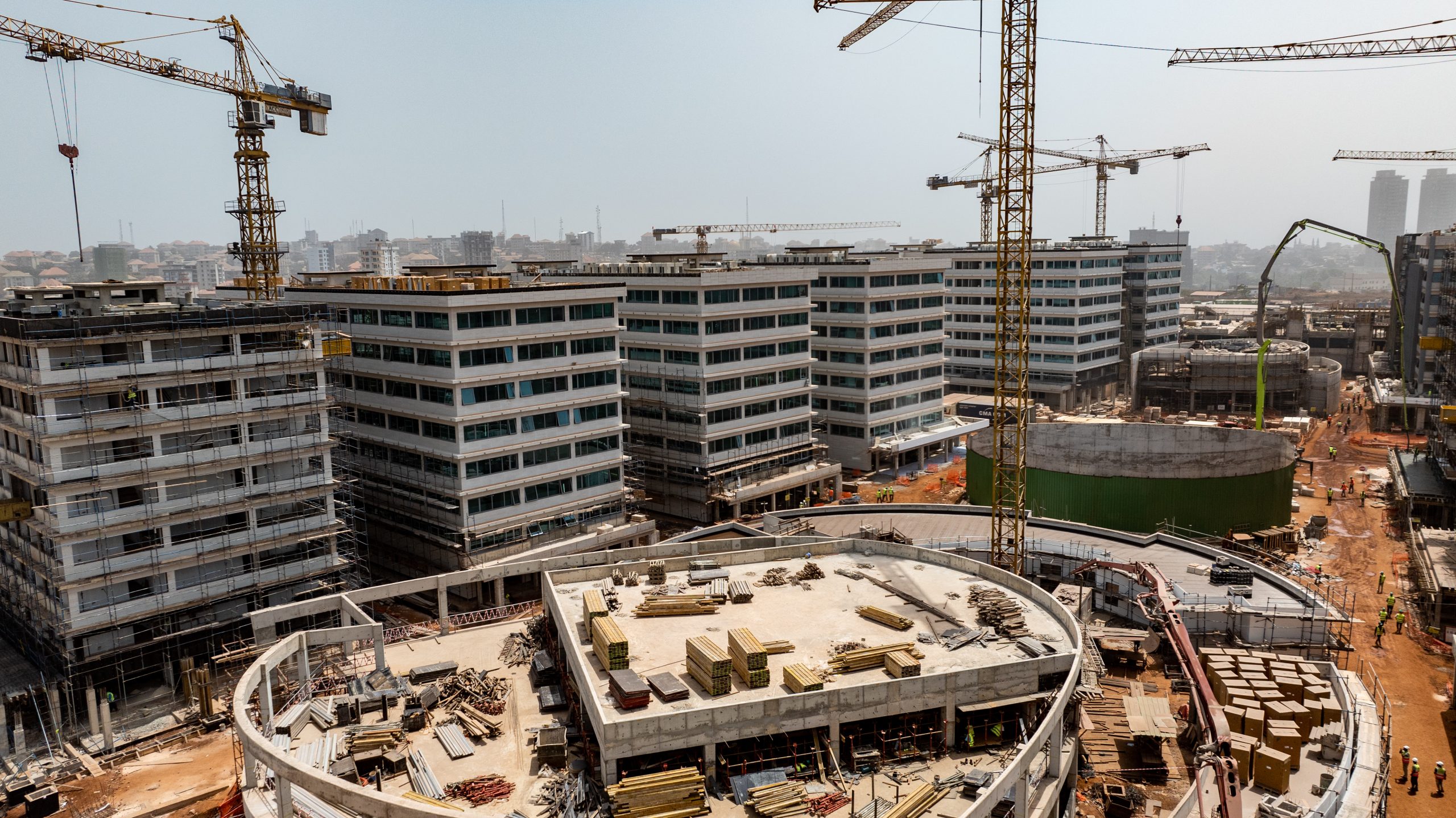
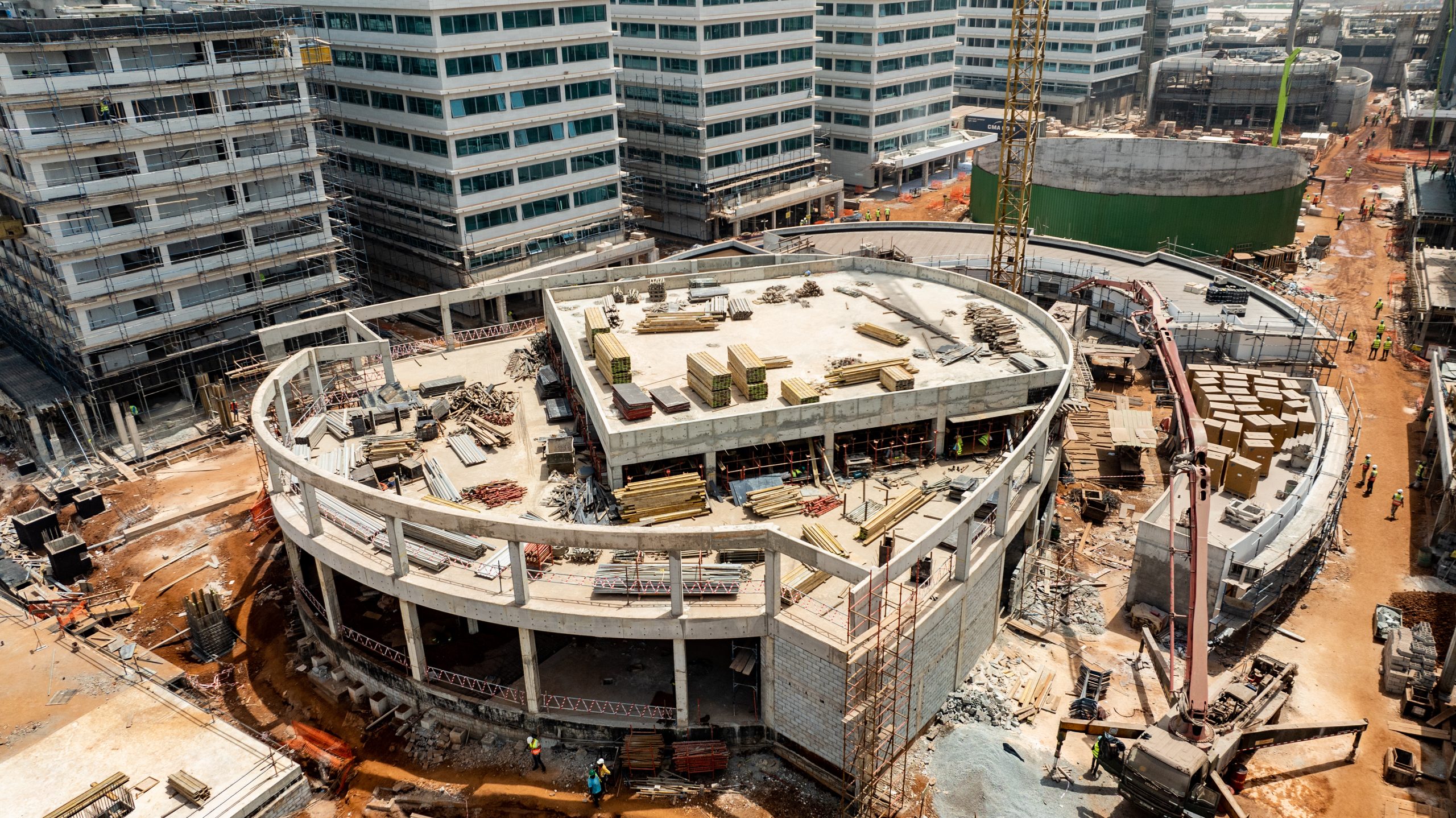
One of the most significant examples of this approach is the development of the Koloma Administrative City in Conakry. Designed to bring together multiple government ministries within a single modern administrative hub, the project represents more than a real estate development. It is part of Guinea’s broader vision to improve transparency, operational efficiency, and public sector effectiveness while reducing long-term costs associated with dispersed government facilities.
Delivering projects of this scale in emerging markets requires more than engineering expertise. It requires financing structures that align with national development objectives while providing lenders and stakeholders with confidence in project delivery. This is where Export Credit Agency (ECA)-backed financing is playing an increasingly important role across Africa and other developing regions.
For governments pursuing transformational infrastructure programmes, ECA-backed solutions can unlock access to long-term funding, improve affordability, and bridge gaps where conventional commercial financing may be limited. These structures enable countries to advance critical infrastructure projects without delaying development ambitions, while creating a framework that balances risk and certainty for all stakeholders.
The financing of the Koloma Administrative City illustrates this evolving model. The project achieved financial close through a €284 million financing package supported by UK Export Finance (UKEF), the United Kingdom’s export credit agency, alongside Deutsche Bank and Standard Chartered. The transaction represented the first ECA-supported commercial financing for the Government of the Republic of Guinea and established an important precedent for future infrastructure investment in the country.
For ACC, the project demonstrates the value of integrating delivery capability with financing expertise. Increasingly, clients are seeking partners that can support not only project execution but also the development of funding solutions that make ambitious infrastructure programmes achievable.
As Aaron Chehab, Head of Strategy and Business Development at ACC, explains:
“Koloma Administrative City is a landmark government office project that will centralise ministries into a modern, efficient administrative hub in Guinea. ACC is proud to deliver this development in partnership with Deutsche Bank and UK Export Finance, combining construction expertise with a tailored financing solution to support its successful execution.”
This trend is becoming increasingly relevant across Africa, the Middle East, and other high-growth markets where governments are prioritising infrastructure as a catalyst for economic diversification, industrial development, and improved public services. Whether supporting transportation networks, administrative facilities, healthcare infrastructure, energy projects, or industrial development, innovative financing mechanisms are becoming as important as technical delivery capability.
The future of infrastructure delivery will increasingly depend on the ability to bring together governments, financial institutions, export credit agencies, and contractors within a shared framework of certainty and long-term value creation.
For Guinea, projects such as the Koloma Administrative City are helping to lay the foundations for a more efficient, transparent, and investment-ready economy. More broadly, they demonstrate how strategic infrastructure, supported by innovative financing structures, can become a powerful instrument for national development and wealth creation.
At ACC, we believe the next generation of infrastructure projects will be defined not only by what is built, but by the economic opportunities they unlock for future generations.
Read the Deutsche Bank Guinea Case Study