ACC Participates in Forbes Middle East Building the Future Summit 2026
Arabian Construction Company (ACC) participated in the 2nd Edition of the Forbes Middle East Building the Future Summit 2026, held at Conrad Etihad Towers in Abu Dhabi under the patronage of the UAE Ministry of Energy and Infrastructure.
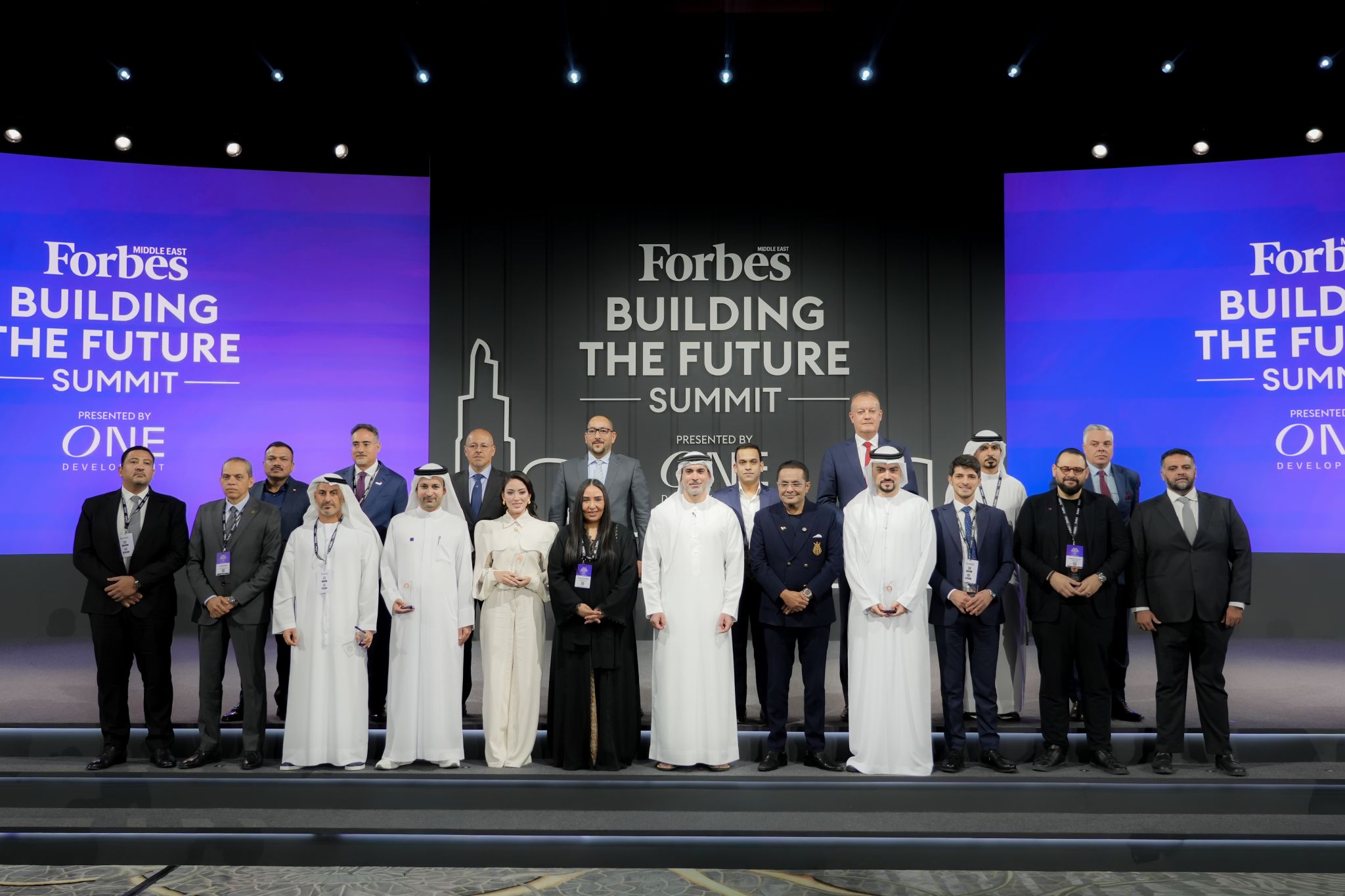
The summit brought together senior government officials, investors, developers, and industry leaders to explore the strategies shaping the future of infrastructure, construction, and economic development across the region.
ACC’s Chief Executive Officer, Maher Merehbi, joined the panel discussion, “Delivering National Impact: Strengthening Infrastructure Through Strategic Operations,” alongside Eid Alobeidli, Director of Musataha and Public-Private Partnerships (PPP) at the Abu Dhabi Investment Office (ADIO). The session was moderated by Budour Mousa, Journalist and Producer at Forbes Middle East, and also featured insights from Dr. Eng. Sumaya Saeed Al Neyadi, Head of Traffic Safety at the Integrated Transport Centre (ITC) and Chair of the International Road Federation (IRF Global).

The discussion focused on how strategic procurement, resilient supply chains, local value creation, and integrated delivery models can improve infrastructure performance and support long-term national development objectives.
As infrastructure programmes across the GCC continue to grow in scale and complexity, panellists highlighted the increasing importance of governance, operational excellence, safety, and public-private collaboration in achieving successful outcomes. The conversation explored how project success is no longer determined solely by engineering or design, but by the ability to align planning, procurement, logistics, workforce development, and execution from the earliest stages of project delivery.
A key theme of the discussion was the role of localisation in strengthening national infrastructure ecosystems. Referencing leading localisation frameworks adopted globally, panellists highlighted that sustainable infrastructure delivery requires a holistic approach encompassing:
- A clear localisation vision aligned with national economic and social priorities.
- Procurement strategies that actively promote local suppliers, services, and value creation.
- Workforce and supplier capability development to strengthen domestic delivery capacity.
- Innovation, technology adoption, and research and development that support long-term competitiveness.
- A supportive business environment with enabling policies, infrastructure, incentives, and investment frameworks.
- Strong governance, performance measurement, and accountability mechanisms to ensure effective implementation.
The discussion also underscored the growing importance of supply chain resilience as both a strategic objective and a national priority. For many countries, particularly import-dependent economies, infrastructure delivery is increasingly influenced by global supply chain dynamics. Building resilient procurement networks, developing local industrial capabilities, and strengthening supplier ecosystems were identified as critical measures to reduce risk, support business continuity, and enhance long-term economic value.
Speaking during the session, Maher emphasised that successful infrastructure delivery requires an integrated operating model that brings together engineering, procurement, logistics, risk management, and stakeholder coordination. He noted that delivery certainty is established long before construction begins and depends on disciplined planning, collaboration, and proactive decision-making throughout the project lifecycle.

The panel concluded that the future of infrastructure delivery will be defined by stronger collaboration between the public and private sectors, integrated governance structures, resilient supply chains, and sustained investment in local capabilities. Together, these factors will enable nations to deliver infrastructure more efficiently, strengthen economic resilience, and maximise the long-term impact of strategic investments.
ACC extends its appreciation to Forbes Middle East for convening an important dialogue on the future of infrastructure delivery and remains committed to supporting projects that create lasting value for communities, economies, and future generations.
