From Concept to Completion Begins with the Right Financing Structure
Across Africa, very few contractors operate at the intersection of structuring, financing, and delivery. Fewer still have taken projects through that full cycle, aligning lenders, governments, and execution under one integrated approach.
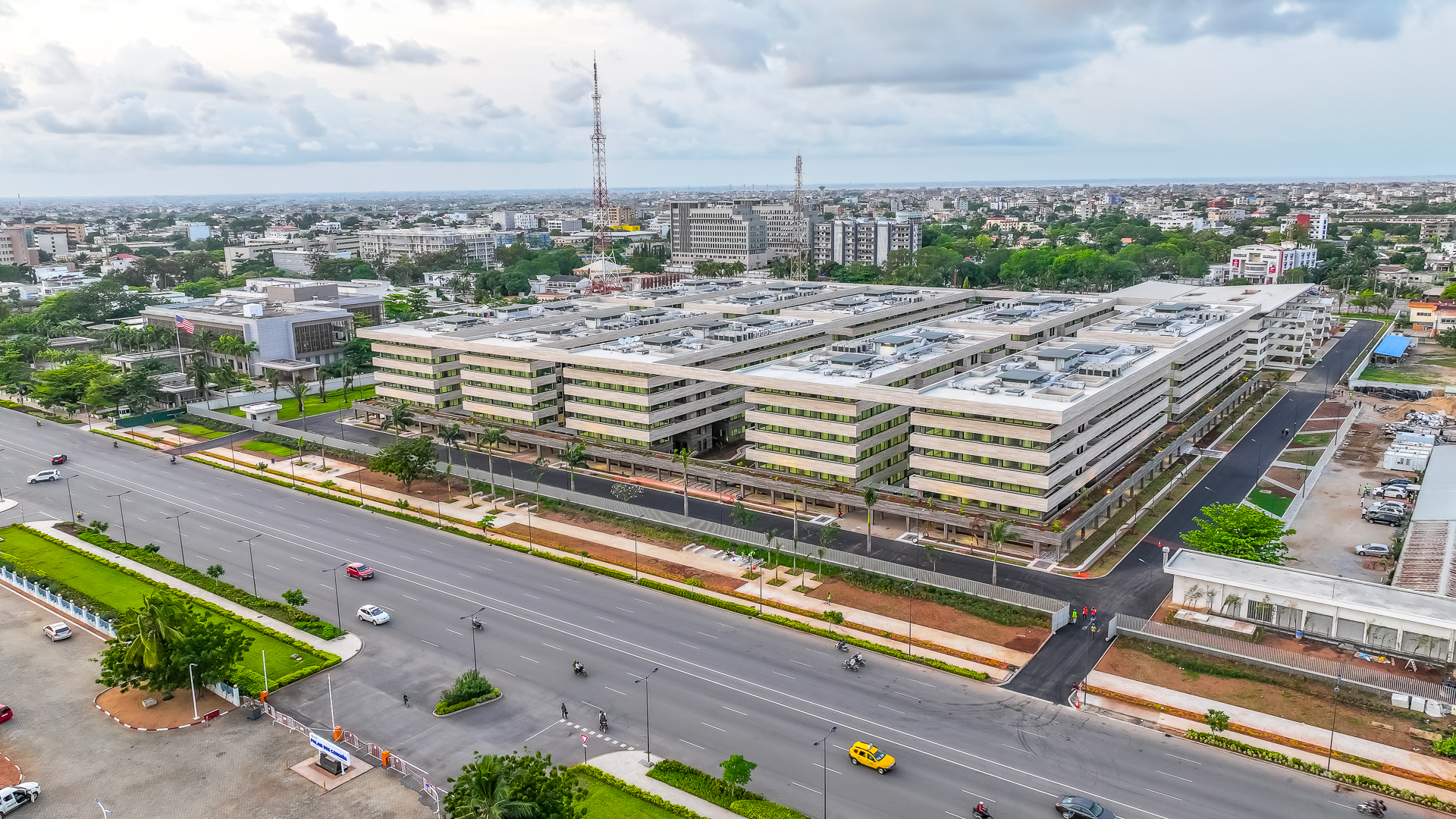
Across Africa, very few contractors operate at the intersection of structuring, financing, and delivery. Fewer still have taken projects through that full cycle, aligning lenders, governments, and execution under one integrated approach.
In our experience, projects do not fail because of a lack of vision. They fail because the funding structure does not hold.
We have seen this repeatedly. Well-designed developments fully costed and politically supported yet stalled for months or years. Not because the contractor could not deliver, but because the project was never truly bankable in the first place.
That is the reality. Construction is complex and demanding, but financing ultimately determines whether a project proceeds or stalls.

Capital Exists but Only for the Right Projects
There is no shortage of global liquidity. Development finance institutions, export credit agencies, and commercial lenders all have an appetite for infrastructure and real estate across Africa, provided the project fundamentals are sound, and the structure makes commercial and risk sense.
However, capital does not move on intent. It moves on risk clarity. Currency exposure, sovereign payment mechanisms, procurement frameworks, and environmental and social compliance are not peripheral issues. They are the factors that determine whether funding is deployed or withheld.
We have seen lenders pause disbursements on viable projects, not because capital was unavailable, but because key risks were not sufficiently addressed or ringfenced.
This is where most projects break down.
Why Traditional Delivery Models Fail
The traditional separation between developer, financier, and contractor no longer works in complex markets.
By the time a contractor is appointed under a conventional EPC model, the most critical risks, those tied to financing and bankability, have already been locked in. If they are misaligned, no level of excellence can correct them.
That model relies on predictability in how risk is priced and managed, an assumption that does not always reflect on-the-ground realities.
What is required instead is early-stage integration between technical delivery and financial structuring, before contracts are signed and before lenders are asked to commit.
Engineering Bankability, Not Assuming It
There is a fundamental difference between a project that is designed and one that is bankable.
Bankability requires enforceable and credible payment mechanisms, alignment between sovereign obligations and lender expectations, risk allocation that reflects actual market conditions, and compliance frameworks that withstand international scrutiny. This cannot be retrofitted. It must be engineered from the outset, alongside design, procurement, and delivery strategy.
At ACC, this is a deliberate process: structuring projects so they can reach financial close and sustain delivery, rather than relying on assumptions.
ESIA: The Real Gatekeeper to Funding
Environmental and social compliance is often misunderstood.
Alignment with International Finance Corporation Performance Standards and the Equator Principles is not a formality. It is a precondition for accessing capital.If ESIA frameworks are weak, poorly implemented, or not evidenced, lenders will not commit, disbursements will be delayed, and projects will carry unacceptable risk.
We have worked through these requirements in detail, supporting clients in addressing audit findings, embedding compliant systems, and aligning delivery with lender expectations.
It is demanding, often complex, and rarely straightforward. When done properly, it unlocks capital and materially reduces risk.
Value for Money Beyond Construction
Lenders are increasingly focused on demonstrable value for money, not just at the construction stage but across the asset’s operational life.
This goes beyond lowest cost. It requires transparent procurement and cost structures, alignment between capital expenditure and long-term performance, and delivery models that avoid deferred risk or hidden inefficiencies.
We approach projects with this full lifecycle perspective, ensuring assets are not only buildable and financeable, but also sustainable in operation.
For lenders, this provides confidence that financial assumptions are robust and that the asset will perform as intended.
Experience at the Interface
In complex environments, the most valuable role is not purely technical. It is intermediary.
The ability to translate lender requirements into executable delivery frameworks, align government stakeholders with financing conditions, anticipate risks before they materialise, and maintain credibility with both borrowers and financiers is where projects succeed or fail.
That experience, earned through navigating real constraints and challenges, is what differentiates delivery capability.
The Bottom Line
Africa does not lack projects. It lacks projects that can reach financial close and sustain delivery.
Bridging that gap requires more than capital and more than construction capability. It requires parties who understand how to connect concepts, bankability, and execution, and who have done so under real-world conditions.
At ACC, this is the role we have grown into. Not only as a builder, but as a solutions provider and delivery partner, operating across structuring, financing alignment, and execution.
A Practical Starting Point
For governments, developers, and funding partners, the question is not simply who can build, but who can ensure a project is deliverable from day one.
That means engaging early with a partner that can structure bankability, align with lender requirements, and carry those decisions through to execution. That is where ACC consistently operates, bridging the gap between borrower and lender, and between concept and completion.
Where that alignment exists, projects move. Where it does not, they stall, regardless of intent.